Skip to content


Up to 38% of whitening patients notice new stains within a week, often from diet choices we can control. After treatment, the enamel is more porous, so pigments and acids bind faster. We’ll focus on a “white diet”: lean pale proteins, low-acid fruits, light sauces, and enamel-friendly drinks like water or milk. We’ll also flag what to skip in the first 48 hours and how to phase foods back in, so your brighter smile actually lasts.
Why Post-Whitening Diet Matters
Although whitening lifts stains from enamel, it also leaves tooth surfaces temporarily more porous and sensitive, so what we eat and drink right after treatment directly affects results and comfort. For 24–48 hours, pigments and acids penetrate more easily, risking rebound staining and heightened sensitivity. Choosing neutral, low-acid, low-pigment options supports enamel rehydration and stabilizes the whitening effect. Hydration helps dilute acids and maintain saliva, our natural buffer. Temperature extremes can trigger sensitivity, so we’ll advise lukewarm choices. We’ll personalize guidance based on whether you had Zoom! in-office treatment or use custom trays, protecting your investment and maintaining predictable, longer-lasting brightness.
The “White Diet”: What It Is and Why It Works
With sensitivity and stain risk highest in the first 24–48 hours, we recommend the “white diet”, a short-term plan of low-pigment, low-acid foods and drinks that won’t undo your whitening. After Zoom! or take-home whitening, enamel is temporarily dehydrated and more porous, so chromogens (dark pigments) and acids penetrate faster. The white diet limits these exposures while saliva remineralizes enamel. Think pale, simple options; avoid items that would stain a white shirt. Choose still water and milk over coffee, tea, or red wine. Keep sauces light-colored. Rinse after meals, wait 30 minutes to brush, and use a soft brush.
Best Protein Choices to Protect Your Bright Smile
Protein matters after whitening because it stabilizes blood sugar, supports saliva flow, and avoids pigment-heavy sauces that can re-stain porous enamel. We recommend lean, pale proteins that minimize chromogens and acids. Choose skinless chicken or turkey, baked white fish, egg whites, low-fat cottage cheese, plain Greek yogurt, tofu, and unsauced tempeh. Pair them with water, not tea or colored marinades. Prepare proteins by baking, steaming, or poaching. Season with salt, garlic, or herbs instead of soy, tomato, or balsamic. If you use trays or gels at home, wait until sensitivity subsides before eating. Rinse after meals to reduce exposure.

Low-Pigment Fruits and Veggies That Are Safe to Eat
A whiter smile stays brighter when we choose products that won’t deposit stains on temporarily porous enamel. For the first 48 hours, we should stick to pale, low-pigment choices. Safe options include bananas, peeled apples or pears, cucumbers, cauliflower, mushrooms, white or yellow squash, peeled zucchini, iceberg or butter lettuce, and steamed potatoes without skin. These foods are low in chromogens and tannins, reducing stain risk while supplying fiber and hydration.
We’ll avoid berries, cherries, tomatoes, beets, spinach, and deeply colored greens during this window. If we’re uncertain, use the “white shirt” test: if it could stain fabric, it can stain enamel now.
Dairy Options That Support Enamel and Color
Those pale produce picks pair well with dairy that protects both enamel and brightness. After whitening, enamel can be temporarily dehydrated and porous, so we favor low-pigment, low-acid choices. Milk, plain yogurt, and cottage cheese supply calcium and phosphate that help remineralize enamel. Casein in dairy forms a protective pellicle, reducing surface softening. Choose unsweetened options to avoid acidogenic bacterial activity. Prefer white cheeses like mozzarella or ricotta; they’re low in chromogens. If you’re lactose sensitive, lactose-free milk or fortified unsweetened alternatives with added calcium and phosphate can help. Keep servings cool or at room temperature to minimize thermal sensitivity.
Hydration Tips to Minimize Staining
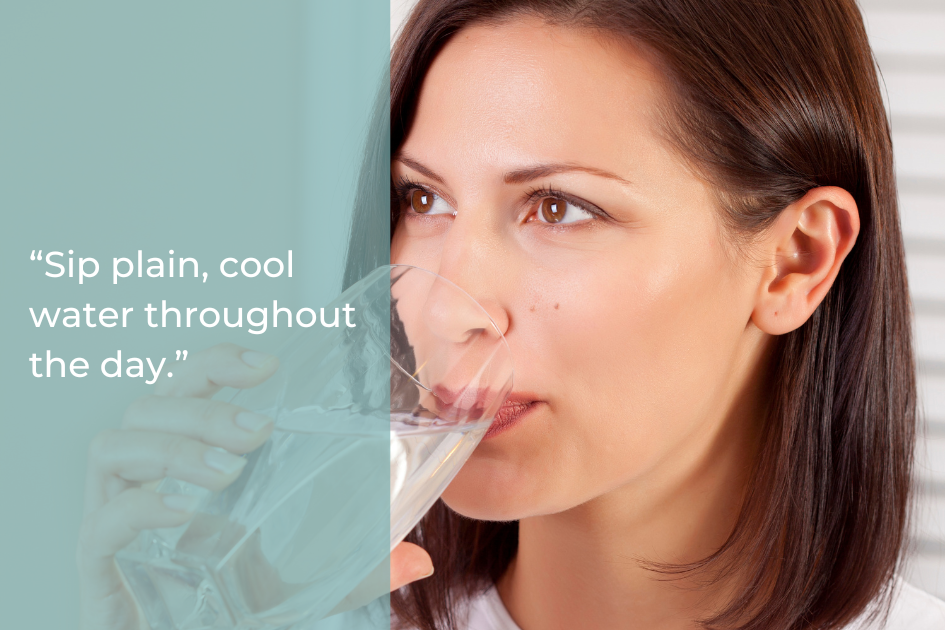
Because freshly whitened enamel is more porous, we’ll lean on smart hydration to dilute pigments and support remineralization. Let’s sip plain, cool water throughout the day, especially with or immediately after any colored beverages. Use a straw when possible to limit contact with front teeth. Rinse for 10–15 seconds after coffee, tea, or wine; then wait 30 minutes before brushing to protect softened enamel. Choose still water enriched with fluoride when available. Keep saliva flowing: hydrate to baseline (clear to pale-yellow urine), and consider sugar-free xylitol gum. Limit acidic seltzers; if used, pair with water. Consistency protects your results.
Snacks and Sweets That Won’t Sabotage Results
Let’s choose snacks and sweets that satisfy cravings without inviting stains or sensitivity. After whitening, enamel is temporarily more porous, so we’ll prioritize light-colored, low-acid options. Plain yogurt, cottage cheese, bananas, peeled apples, and steamed pears are gentle and low in chromogens. For crunch, try unsalted rice cakes or plain popcorn. Protein helps satiety: string cheese, hard-boiled eggs, or turkey roll-ups. For sweets, consider vanilla Greek yogurt, rice pudding, angel food cake, or a small white chocolate square. Pair snacks with water to rinse surfaces. If using Zoom! or take-home trays, wait until any sensitivity resolves before chilled items.
Foods to Avoid in the First 48 Hours
Although your smile looks brighter right away, the first 48 hours are critical: we should avoid dark, acidic, and highly pigmented foods and drinks that can penetrate temporarily porous enamel and cause rebound staining or sensitivity. Whitening (including Zoom! procedures and take-home kits) opens enamel pathways briefly, so pigments bind more readily, and acids increase discomfort. To protect results, let’s keep choices “white and mild” and skip chromogens and tannins.
- Coffee, tea, red wine, colored sodas, sports drinks
- Berries, tomato sauces, soy sauce, curry, balsamic vinegar
- Beets, pomegranate, dark chocolate, colored candies
- Citrus, pickles, vinegar-based dressings, hot acidic soups
How to Reintroduce Colorful Foods Safely
Once the initial 48-hour window passes, we can reintroduce color gradually, prioritizing low-acid, lighter-hued foods first and monitoring for sensitivity. We start with items like bananas, turkey, cauliflower rice, peeled apples, and plain yogurt. Next, we test minimally pigmented foods, light pasta sauces, oats with peeled pears, or hummus, watching for transient zing or temperature discomfort. If tolerated, we add moderate-color options: baked salmon, eggs with herbs, or diluted broths. We avoid strong chromogens and acids early: berries, tomato sauce, curry, beets, red wine, coffee, and cola. If any sensitivity or tingling occurs, we pause and step back a level.
At-Home Care and Whitening Maintenance Tips
Even after we leave the office with a brighter smile, consistent at-home care determines how long results last. We protect enamel, minimize stains, and maintain shade by pairing smart hygiene with guided whitening. If you received Zoom! in-office whitening, we’ll advise when to begin Zoom! take-home or Free Whitening for Life touch-ups using custom trays.
- Brush twice daily with a low-abrasion fluoride toothpaste; floss nightly.
- Rinse after coffee, tea, or wine; use a straw for dark beverages.
- Use custom trays with dentist-prescribed gel as directed; avoid overuse.
- Manage sensitivity: choose potassium nitrate toothpaste; pause whitening if discomfort persists.
Conclusion
Let’s treat our new shade like a white shirt on a rainy day, worth protecting. In one study, enamel is up to 2 to 3 times more porous for 24 to 48 hours after whitening, so low-pigment, low-acid choices truly matter. If we hydrate, choose pale proteins and fruits, and reintroduce color slowly, we’ll preserve brightness while keeping enamel strong and sensitivity low. Ready for a personalized post-whitening plan? Reach out to our team at Austin Dental Works in Austin, TX, or book a quick consult to get a tailored food list and timing guide.