We often think of cleaning as just a polish, but it’s one of the most effective preventive steps we can take for long-term oral health. During routine visits, we remove plaque and tartar that brushing can’t reach, check gum stability, and look for early signs of decay or inflammation before they escalate. When we comprehend what’s happening beneath the surface, the value of a “simple” cleaning changes, and so does what we can prevent next.
What Happens During a Professional Dental Cleaning?
During a professional dental cleaning, we’ll remove plaque and tartar buildup from areas your toothbrush can’t reach to help prevent cavities and gum disease. Next, we’ll polish and smooth your teeth to reduce surface stains and make it harder for plaque to stick. We’ll also examine your teeth and gums to spot early signs of inflammation, decay, or other concerns so we can plan timely care.
Removing Plaque and Tartar Buildup
One of the first things we tackle in a professional dental cleaning is removing plaque and tartar (calculus) that brushing and flossing can’t fully eliminate. We use tartar removal techniques to gently scale along the gumline and between teeth, where bacteria hide and trigger inflammation. As we work, we’ll point out high-risk areas and teach plaque prevention strategies you can use at home. Key benefits include:
- Reduced bleeding and swelling of gums
- Lower cavity risk in hard-to-reach grooves
- Fresher breath by disrupting bacterial biofilm
If we see heavy buildup, we’ll pace the appointment to keep you comfortable and effective.
Polishing and Smoothing the Teeth
After we’ve scaled away plaque and tartar, we polish and smooth the tooth surfaces to remove leftover surface stains and fine film that can cling to enamel. We use controlled polishing techniques, typically a low-speed handpiece with a rubber cup and prophy paste, to lift stains without abrading healthy tooth structure. For tight areas, we may use interdental polishing strips or air-polishing when appropriate. This step reduces plaque retention by minimizing microscopic roughness, which supports healthier gums between visits. The smoothing benefits also include a cleaner feel, fresher breath, and improved stain resistance from coffee, tea, and tobacco.
Examining Teeth and Gums
Next, we examine your teeth and gums closely to confirm what’s healthy, catch early warning signs, and tailor prevention to your specific risks. We check your bite, restorations, and enamel wear, then measure gum pockets and look for bleeding or recession to assess gum health. We also note areas that may explain tooth sensitivity, such as exposed root surfaces or microcracks. To keep the exam focused, we document:
- Gum pocket depths and bleeding points
- Plaque-retentive areas and rough margins
- Early decay, fractures, and soft-tissue changes
If we find concerns, we’ll explain what they mean and recommend targeted home care and follow-up.
Why Dental Cleanings Matter More Than You Think
Dental cleanings matter because they let us remove plaque and tartar that brushing can’t, so we can help stop cavities before they start. We also assess and reduce gum inflammation early, which lowers your risk for gingivitis and periodontal disease. By controlling oral bacteria, we’re supporting your overall health, not just your smile.
Preventing Cavities Before They Start
Because cavities often develop quietly, we can’t rely on brushing alone to catch problems early. During cleanings, we remove plaque biofilm and hardened tartar that trap acids against enamel, then assess risk factors like dry mouth, diet, and past decay. We use early detection techniques to spot demineralization before it becomes a filling, and we’ll tailor cavity prevention strategies you can actually follow.
- Professional scaling disrupts bacterial reservoirs between visits
- Polishing smooths surfaces so plaque adheres less
- Fluoride or sealants strengthen vulnerable grooves and edges
Protecting Your Gums from Disease
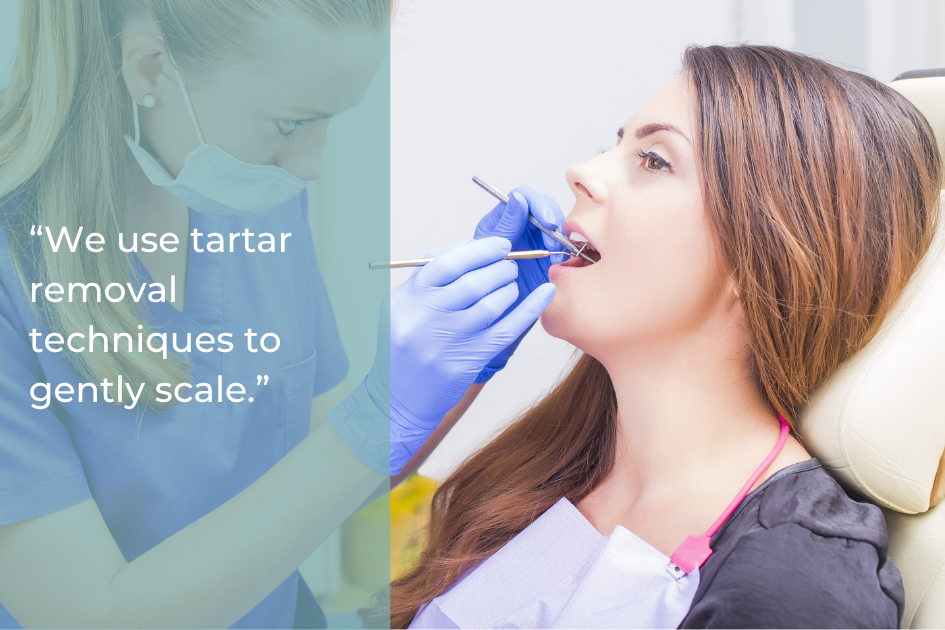
Even if your teeth feel fine, gum disease can start with painless inflammation that we only catch when we measure pockets and check for bleeding along the gumline. During a cleaning, we remove plaque and hardened tartar that your toothbrush can’t disrupt, especially near and below the gums. That reduces bacterial load and helps tissues reattach and heal. We’ll show you targeted oral hygiene: angled brushing at the gum margin, daily interdental cleaning, and antimicrobial rinses when indicated. If we find deeper pockets, we’ll recommend more frequent visits or periodontal therapy to stop progression.
Supporting Overall Health
Although most people think of cleanings as “just” preventive tooth care, we use them to support whole-body health by lowering the chronic bacterial and inflammatory burden that can start in the mouth. When plaque hardens, it shelters microbes that can enter the bloodstream and amplify systemic connections linked to cardiovascular risk, diabetes control, and adverse pregnancy outcomes. During visits, we measure gum health, remove calculus, and coach you on daily habits that protect oral health and reduce inflammation. Key benefits include:
- Lower bacterial load at the gumline
- Reduced inflammatory markers over time
- Earlier detection of oral infections
How Often Should You Schedule a Dental Cleaning?
How often should we schedule a dental cleaning to protect our teeth and gums long-term? For most adults and children, a preventive visit every six months supports consistent plaque and tartar control. That’s the standard dental cleaning frequency because biofilm reforms daily, and home care can’t fully remove hardened deposits. Some of us need cleanings every three to four months, especially with gum inflammation, a history of periodontal disease, diabetes, pregnancy-related changes, orthodontic appliances, or dry mouth. We’ll individualize intervals after measuring gum pockets and bleeding to reinforce the importance of hygiene.
Signs You May Be Overdue for a Cleaning
If we’re overdue for a dental cleaning, we’ll often notice early warning signs that home care can’t fully address. Bleeding or swollen gums and persistent bad breath can signal inflammation and bacterial buildup. Tooth sensitivity or discomfort, along with visible plaque or staining, can also indicate it’s time to schedule a professional cleaning.
Bleeding or Swollen Gums
One of the clearest signs you may be overdue for a dental cleaning is bleeding or swollen gums. When plaque hardens into tartar, it irritates the gumline and triggers inflammation, even if you brush daily. A professional cleaning removes what home care can’t, helping restore gum health and improving oral hygiene. Watch for:
- Bleeding when brushing or flossing
- Puffy, tender, or red gum margins
- Receding gums or teeth that look “longer”
If these symptoms persist, we should evaluate for gingivitis and early periodontal changes. Timely cleanings reduce bacteria, measure gum pockets, and prevent progression.
Persistent Bad Breath
Even with consistent brushing, persistent bad breath can signal that plaque and bacteria have built up in areas your toothbrush and floss can’t fully reach. When these deposits sit along the gumline or between teeth, they release sulfur compounds and keep odor returning quickly after you clean. We’ll review persistent halitosis causes, including tartar buildup, gingivitis, dry mouth, and tongue coating, and we’ll rule out non-dental factors when needed. A professional cleaning disrupts biofilm and removes hardened calculus, while we help you refine oral hygiene habits, timing, technique, interdental tools, and tongue cleaning.
Tooth Sensitivity or Discomfort
When plaque lingers along the gumline, it can trigger inflammation and expose sensitive tooth surfaces, so cold drinks, sweet foods, or brushing may start to sting. If you’re noticing new twinges, we should treat it as a preventive signal, not something to “push through.” A professional cleaning removes irritants and lets us check for early gum recession or enamel wear that undermines tooth care and dental hygiene. Watch for:
- Sharp pain with temperature changes
- Tender gums when flossing
- Sensitivity that lasts after brushing
If symptoms persist, we’ll tailor home techniques and schedule timely cleanings.
Visible Plaque or Staining
Plaque and stains act like a running report card on your daily hygiene. When you see a dull film at the gumline or yellow-brown patches between teeth, it often signals plaque buildup that brushing can’t fully remove. That biofilm hardens into tartar, creating rough surfaces that trap more bacteria and pigments.
During cleanings, we scale off tartar and polish away surface discoloration, reducing inflammation risk and improving breath. We’ll also review your home routine: angled brushing, flossing or interdental brushes, and diet triggers like coffee or tobacco. That plan supports staining prevention between visits.
Benefits of Starting Your Dental Care Routine in Spring

As spring arrives and schedules start to reset, we can use the season’s momentum to reestablish a consistent dental care routine that supports long-term oral health. A spring cleaning mindset helps us catch early disease, and a fresh start makes preventive habits easier to sustain. Spring is also a practical time to schedule professional evaluations before summer travel and busy calendars. Starting now supports healthier gums, lowers cavity risk, and improves breath and comfort. Key advantages include:
- earlier detection of gingivitis and decay
- timely updates to individualized treatment planning
- renewed motivation to maintain routine care
Tips to Keep Your Smile Clean Between Visits
Between cleanings, we can help you control plaque daily with a few consistent habits. We’ll focus on brushing twice a day with fluoride toothpaste and cleaning between teeth with floss or interdental tools to disrupt bacteria where brushes can’t reach. We’ll also cover staying hydrated, limiting sugary foods, and replacing your toothbrush regularly so your routine stays effective.
Brushing Twice Daily with Fluoride Toothpaste
Even when we feel our teeth are clean, brushing twice daily with a fluoride toothpaste remains the most reliable way to disrupt bacterial buildup and strengthen enamel between dental cleanings. This daily dental hygiene habit limits acid production and supports remineralization, delivering measurable fluoride benefits for cavity prevention. For best results, we’ll keep technique consistent and timing intentional:
- Brush for two minutes, morning and night
- Use a soft-bristled brush and gentle pressure
- Spit, don’t rinse, to leave fluoride on teeth
If we notice persistent sensitivity, bleeding, or new rough spots, we should schedule an exam to adjust prevention strategies.
Flossing and Interdental Cleaning
Brushing with fluoride handles the broad surfaces well, but plaque still collects where bristles can’t reach, especially between teeth and just under the gumline. That’s why we recommend daily interdental cleaning. Use proven flossing techniques: slide floss gently between teeth, curve it into a C-shape, and move it up and down against each tooth, dipping slightly under the gum margin without snapping. For wider spaces, braces, or bridges, interdental brushes can remove biofilm more effectively than floss alone. We’ll help you choose the right size and show proper insertion to prevent tissue trauma.
Staying Hydrated and Limiting Sugary Foods
Because plaque bacteria thrive on frequent sugar exposure, what we drink and snack on plays a direct role in how clean your teeth stay between visits. When we sip water often, we support saliva’s buffering action and rinse away acids that soften enamel. Use these hydration tips and swap smarter snacks to reduce cavity risk and staining:
- Choose water, especially after coffee, sports drinks, or citrus
- Limit grazing on sweets; keep sugar to mealtimes when possible
- Pick sugar alternatives like xylitol gum, cheese, nuts, or crunchy veggies
We’ll protect your enamel, calm dry mouth, and slow plaque buildup with simple daily choices.
Replacing Your Toothbrush Regularly
While it’s easy to overlook, replacing your toothbrush on schedule directly improves plaque removal and helps protect your gums. We recommend swapping it every 3 months, sooner after illness or if you notice bristle wear. As bristles splay, they miss the gumline and trap more bacteria, reducing cleaning efficiency and increasing inflammation risk. To extend toothbrush lifespan between changes, rinse thoroughly, store upright, and let it air-dry; don’t cover it while wet. If you use an electric brush, replace the head on the same timeline. We’ll review your technique at cleanings and tailor reminders.
Common Questions About Dental Cleanings

We’ll answer the questions we hear most often: do dental cleanings hurt, how long they take, and whether they can whiten your teeth. We’ll also explain what to expect if it’s been a long time since your last cleaning, so we can keep care preventive and comfortable. Let’s review these topics so you can plan your visit with clear, practical expectations.
Do dental cleanings hurt?
How much a dental cleaning hurts depends on your gum health, tooth sensitivity, and how much plaque and tartar we need to remove. Most patients feel pressure, vibration, or mild tenderness, not sharp pain. We tailor cleaning techniques and check in often to protect patient comfort. If your gums are inflamed, you might notice brief bleeding or soreness afterward, which improves as inflammation decreases. To make visits easier, we can:
- Use gentle scaling and polishing adjustments
- Offer topical numbing when needed
- Pause, rinse, and reset if you’re sensitive
Tell us what you feel so we can adapt quickly.
How long does a cleaning take?
Typically, a routine dental cleaning takes about 45–60 minutes, though your exact time depends on your gum health, the amount of plaque and tartar we need to remove, and whether we’re also completing an exam and updated X-rays. If you’ve had frequent cleanings and healthy gums, we can often stay near the shorter end of the cleaning duration. If we see inflammation or heavier buildup, we’ll work carefully and may schedule added time. For smooth appointment preparation, arrive a few minutes early, bring your health updates, and let us know about any sensitivities so we can plan comfort options.
Can cleanings whiten my teeth?
Often, a professional dental cleaning can make your teeth look whiter by removing surface stains from coffee, tea, wine, and tobacco. We polish enamel and remove plaque and tartar that trap pigments, so your smile looks brighter right away. However, cleanings don’t change intrinsic tooth color like teeth whitening does, so deep stains may need whitening trays or in-office options. To help you maintain results, we’ll review habits and cleaning frequency.
- Removes stain-holding plaque and tartar
- Polishes away surface discoloration
- Preps teeth for more predictable teeth whitening
What if I have not had a cleaning in a long time?
Even if it’s been years since your last cleaning, we can start safely and comfortably by first evaluating your gum health and buildup. We’ll measure gum pockets, check for bleeding, and take X-rays if needed. If we see inflammation or heavy tartar, we may recommend a deeper cleaning in stages with numbing and comfort options. This prevents the consequences of neglect, such as gum disease progression, bone loss, and persistent bad breath. After we stabilize your tissues, we’ll set a personalized cleaning frequency, often every 3–6 months, to keep bacteria controlled and make future visits easier.
Preventive Care at Austin Dental Works
Because prevention drives long-term oral health, we focus every dental cleaning at Austin Dental Works on thorough assessment and early intervention. We evaluate gums, screen for decay, and review your oral hygiene to reduce risk between visits. You’ll understand findings and the dental benefits of small, timely changes before they become costly treatment needs. We personalize home-care guidance, comfort options, and recall intervals based on your history and exam. Expect:
- Periodontal measurements to catch inflammation early
- Plaque and calculus removal for biofilm control
- Targeted recommendations for brushing, flossing, and fluoride use
We’ll document baselines and track trends at each visit closely.
Conclusion
Spring is all about fresh starts, and your smile deserves the same level of care and attention. Professional dental cleanings do more than keep your teeth looking bright. They play a key role in preventing cavities, protecting your gums, and supporting your overall health. By staying consistent with preventive visits and maintaining good habits at home, you can avoid bigger issues and keep your smile feeling its best year-round.
If it has been a while since your last cleaning, now is the perfect time to reset and prioritize your oral health. Schedule your visit with Austin Dental Works in Austin, TX, and let our team help you enjoy a cleaner, healthier, and more confident smile this season and beyond.