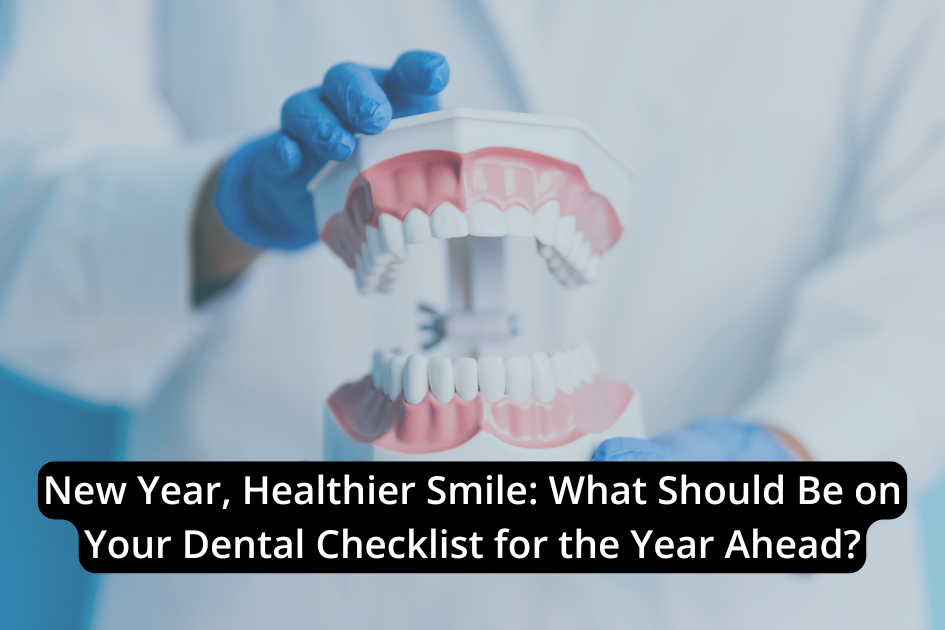
As the new year begins, it is the perfect time to reset habits that support a healthier smile. At Austin Dental Works, we help patients start the year with a clear, practical plan that prioritizes prevention and long-term comfort. This means scheduling routine cleanings and exams, refining daily brushing and flossing habits, and addressing small concerns before they become larger issues. For some patients, additional protection such as fluoride treatments, sealants, or nightguards may also be part of a personalized approach. Cosmetic goals can be planned thoughtfully as well, always guided by what is healthy, realistic, and right for you. Let’s take a look at what deserves a place on your dental checklist this year.
Why the New Year Is the Best Time to Focus on Oral Health
As the calendar turns, we get a natural reset that makes healthy habits easier to start and stick with. The New Year helps us align resolutions with clear routines that support dental health. When we commit early, preventive care becomes predictable, not reactive. Consistent oral hygiene, twice-daily brushing with fluoride toothpaste, daily flossing, and targeted interdental cleaning reduce plaque, gingival inflammation, and caries risk. Early scheduling streamlines care, lowers missed-appointment rates, and improves adherence to recommended recall intervals. Strong oral health also supports overall health by lowering systemic inflammation and reducing risks linked to periodontal disease, including adverse glycemic control. Let’s choose sustainable, evidence-based habits now.
Your Annual Dental Health Checklist
Let’s start by booking a professional cleaning and exam, since evidence shows regular visits reduce cavities, gum disease, and costly treatments. We’ll flag small issues, like sensitivity, early decay, or chipped fillings, so we can treat them promptly and prevent progression. Then we’ll review your at‑home routine, confirming brushing technique, fluoride use, interdental cleaning, and any needed upgrades such as an electric brush or prescription toothpaste.
Schedule a Dental Cleaning and Exam
Even with diligent brushing and flossing, we still miss plaque and tartar that only a professional cleaning can remove. Let’s prioritize dental appointment scheduling now. The importance of cleanings is clear: polished teeth reduce bacterial load, lower gum inflammation, and support fresher breath. During the exam, we screen for decay, periodontal disease, bite issues, and oral cancer. Early detection benefits improve outcomes and cost.
Most adults need visits every six months; exam frequency recommendations may change with gum disease, diabetes, pregnancy, medications, or tobacco use. Oral health tips: brush twice daily, floss nightly, use fluoride toothpaste, and limit sugary snacks. That’s preventive care benefits in action.
Address Small Issues Before They Grow
While our teeth often feel fine day to day, small problems, chips, sensitivity, or minor decay tend to progress and cost more to fix if we wait. Let’s use proactive dental care to stabilize issues early. For chips, we can smooth and bond enamel to restore strength and protect against cracks. For minor decay solutions, we’ll remove softened enamel and place conservative fillings or sealants, preserving tooth structure. For sensitivity treatment options, we may recommend desensitizing agents, fluoride varnish, or targeted bonding to seal exposed dentin. These early intervention benefits reduce pain, preserve tooth health, and help in avoiding future complications like fractures or root canals.
Review Your Oral Hygiene Routine at Home
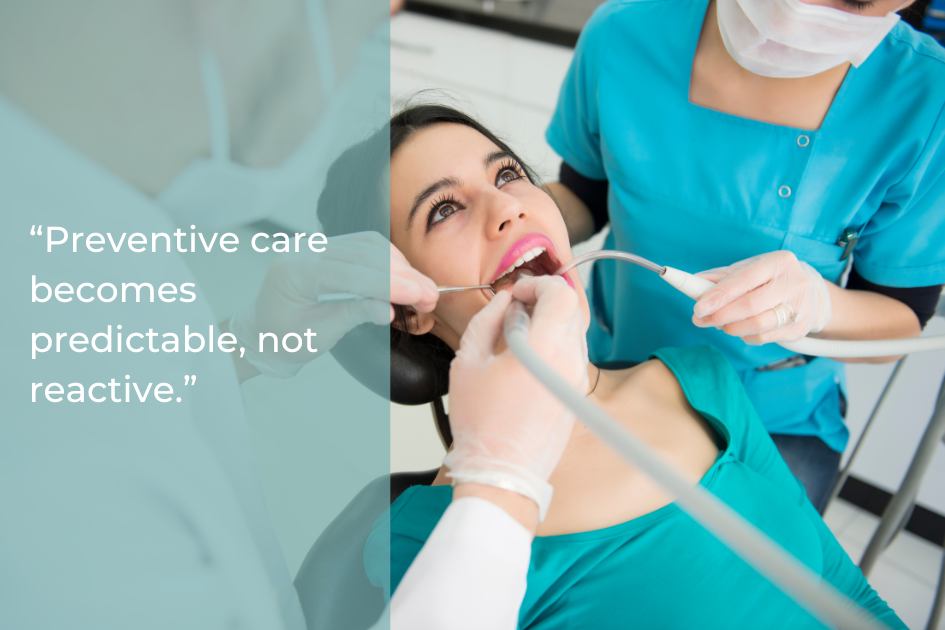
Because daily habits drive long-term outcomes, we should audit our at‑home routine with the same rigor as a checkup. Let’s confirm we brush twice daily for two minutes and floss once daily; consistency reduces plaque, gingivitis, and caries risk. Time for toothbrush replacement every three months or sooner if bristles fray; worn filaments clean poorly and can injure gums. Prioritize evidence-based toothpaste selection: fluoride for enamel remineralization, low-abrasion formulas for sensitivity, and tartar control if prone to calculus. Consider mouthwash benefits: fluoride rinses strengthen enamel; antiseptic options lower bacterial load and gingival inflammation. Align oral care tools and timing with our clinical needs.
Cosmetic Goals to Consider for the New Year
As we set cosmetic goals, we can evaluate safe, evidence-based teeth whitening to reduce extrinsic and some intrinsic stains while preserving enamel. If you have small chips, gaps, or discolorations, we’ll compare bonding and veneers based on defect size, enamel thickness, longevity, and maintenance. Together, we’ll match treatment to your smile goals, budget, and oral health so results look natural and remain stable.
Teeth Whitening for a Fresh Start
Kickstarting the year with brighter teeth can boost confidence and complement a healthy oral routine. Let’s first identify common causes of discoloration: coffee, tea, red wine, tobacco, aging, certain medications, and enamel wear that reveals darker dentin. We’ll tailor whitening product options, strips, trays, or in‑office systems, based on your stain type and goals. Professional whitening benefits include controlled peroxide concentration, gingival protection, and predictable shade change supported by evidence. We’ll discuss teeth sensitivity solutions like potassium nitrate gels and fluoride varnish. Prefer gentler approaches? Consider natural whitening methods with proven safety, such as baking‑soda pastes. Maintenance plans help secure long-term results.
Bonding or Veneers for Small Smile Enhancements
Thinking about subtle changes to your smile this year? Let’s weigh bonding benefits and veneer advantages with clear, patient-centered guidance. Bonding may be helpful for small chips, minor gaps, and isolated discoloration. It’s conservative, single-visit, and budget-friendly. Veneers may be a better option for multi-tooth symmetry, resistant stains, shape correction, and stronger wear resistance.
Here’s a quick cost comparison: bonding usually costs less upfront; veneers cost more but can look more uniform. Longevity factors: bonding often lasts 3–7 years; porcelain veneers typically last 10–15 years with care. Key procedure differences: bonding removes little enamel; veneers require precise enamel reduction and lab fabrication.
Preventive Care Sets the Tone for the Whole Year
Two routine checkups a year set a calm, predictable rhythm for our oral health. Regular exams and cleanings provide clear dental visit benefits: early detection, shorter appointments, and fewer emergencies. With preventive dental tips tailored to our risks, we use stress reduction strategies, like scheduled recalls and hygiene coaching, to avoid last‑minute treatment. Preventive care supports maintaining comfort levels by controlling inflammation, minimizing sensitivity, and keeping bite forces balanced. Consistency matters: plaque and tartar are disrupted before they trigger cavities or gum disease. Over time, we protect restorations, preserve enamel, and stabilize gums, key drivers of long-term oral health and lower lifetime costs.
Common January Dental Questions
Curious about what to prioritize this month? Let’s answer the most common January questions. Most adults benefit from dental cleanings and exams every six months; some with gum disease, dry mouth, diabetes, or high cavity risk need more frequent preventive care. Don’t delay just because nothing hurts; early decay and gum inflammation are often painless, and timely visits protect oral hygiene and overall health. We can stage cosmetic treatments gradually, aligning with budgets and clinical sequencing after addressing the disease. If dental anxiety has kept you away, tell us; we’ll tailor pacing, use comfort options, and build trust so appointments feel manageable.
How Austin Dental Works Supports Your Smile Goals
While every smile has unique needs, we follow a consistent, evidence-based process to help you reach your goals. We start with thorough diagnostics and co-create a personalized treatment plan that respects your timeline, budget, and health priorities. Our comfort-focused care includes gentle techniques, ergonomic scheduling, and options for anxiety reduction. We emphasize patient education and clarity in communication so you know what to expect and why it matters for smile enhancement.
- Personalized treatment mapping and risk assessment
- Clear informed consent with visuals and outcomes
- Comfort-focused care, including desensitizing protocols
- Preventive coaching and patient education
- Measurable follow-ups to verify clinical progress
Conclusion
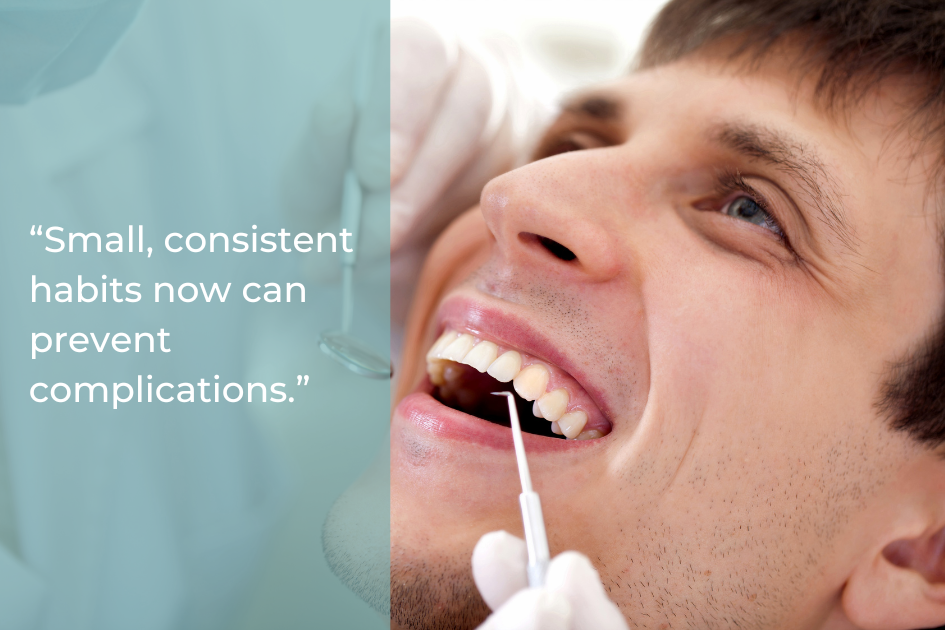
As we turn the page on the year, let’s make your smile our north star. Together, we’ll anchor care in evidence through biannual exams and cleanings, daily brushing with fluoride toothpaste, interdental cleaning, and timely treatment of early decay or gingivitis. If cosmetic goals matter, we’ll align them with oral health first. Have questions? We’ll answer them clearly and plan the next steps that fit your life. Small, consistent habits now can prevent complications and keep your smile healthy all year.
Ready to start the year with confidence? Schedule your visit with Austin Dental Works in Austin, Texas, and let our team help you build a personalized plan for a healthier smile in the months ahead.