When we think about brushing our teeth, it’s easy to overlook the proper technique. Many of us might assume we’re doing it right, but are we really? Understanding how to brush effectively is key to maintaining good oral health. We can all benefit from refining our methods to guarantee we’re protecting our smiles. So, let’s explore the essential steps and common pitfalls that can impact our brushing routine.
Why Proper Brushing Matters
When we think about brushing our teeth, it’s easy to focus on just fresh breath. However, poor brushing habits can lead to serious dental issues like cavities and gum disease. By understanding the importance of proper brushing, we can protect our oral health and avoid common problems.
More Than Just Fresh Breath
While we often associate brushing our teeth with fresh breath, it’s essential to understand that proper brushing goes far beyond that simple benefit. When we learn how to brush teeth correctly, we’re actively protecting our oral health. Using a proper brushing technique helps remove plaque, preventing cavities and gum disease.
Incorporating effective oral hygiene tips into our daily routine not only keeps our breath fresh but also promotes healthy teeth and gums. We can’t overlook the importance of brushing teeth twice a day, as it’s a fundamental step in maintaining overall well-being. By committing to this practice, we’re investing in brighter smiles and better health for ourselves and our loved ones. Let’s embrace the full benefits of proper brushing together.
Common Problems Caused by Poor Brushing Habits
Neglecting proper brushing habits can lead to a host of dental issues that affect not just our smiles but our overall health. When we don’t brush effectively, plaque builds up, increasing the risk of cavities and gum disease. You might wonder, “How do I brush properly?” The correct way to brush teeth involves using gentle, circular motions for at least two minutes, ensuring we reach all areas, including along the gum line. This technique not only aids in plaque removal but also supports cavity prevention and gum disease prevention. By prioritizing proper brushing, we can maintain healthier smiles and contribute to our well-being. Let’s commit to brushing correctly, fostering both our dental health and confidence together.
Choosing the Right Toothbrush
Choosing the right toothbrush is essential for effective oral care. We’ll compare manual and electric options, highlight key features to evaluate, and discuss when it’s time to replace our toothbrushes. By making informed choices, we can enhance our brushing routine and maintain better dental health.
Manual vs. Electric Toothbrushes
When it comes to selecting the right toothbrush, understanding the differences between manual and electric options can greatly impact our oral hygiene routine. A manual vs electric toothbrush debate often arises, but both can be effective if used properly. Electric toothbrushes offer benefits like built-in timers and consistent brushing motions, which can enhance our daily dental care routine. They may also make it easier to follow dental hygiene best practices, especially for those with limited dexterity. On the other hand, manual toothbrushes are portable and affordable, allowing many of us to maintain a proper oral care routine without the need for batteries or charging. Ultimately, our choice should reflect our personal preferences and specific dental needs.
Features to Look For
Finding the right toothbrush can greatly enhance our oral hygiene routine, whether we prefer a manual or electric option. When choosing a toothbrush, we should look for a soft-bristle toothbrush, as it’s gentle on our gums and effective for brushing teeth properly. It’s important to take into account the size and shape of the brush head; it should comfortably fit our mouth for easy maneuvering. For those who enjoy advanced features, electric toothbrushes often include timers and pressure sensors, promoting healthy brushing habits. Remember to replace our toothbrush every three to four months, as worn bristles can hinder our efforts. By following these oral health tips and teeth cleaning tips, we can guarantee our smiles stay bright and healthy.
When to Replace Your Toothbrush
Although we may not think about it often, replacing our toothbrush regularly is vital for maintaining ideal oral hygiene. We should consider replacing our toothbrush every three to four months or sooner if the bristles fray. A worn toothbrush won’t effectively clean our teeth, which can hinder our preventive dental care efforts. Remember, proper brushing means spending at least two minutes each time we brush. As we engage in oral health education, let’s prioritize understanding how often we should brush our teeth and the importance of a fresh toothbrush. By doing this, we’re not just maintaining oral health; we’re actively investing in our overall well-being. Let’s embrace this simple but important habit together!
Choosing the Right Toothpaste
When it comes to choosing the right toothpaste, we need to contemplate a few key factors. First, fluoride is essential for preventing cavities, but there are also specialized toothpastes designed for specific needs, like sensitivity or whitening. Let’s also look at what ingredients we should avoid to maintain our oral health effectively.
Why Fluoride Matters
Fluoride plays an essential role in maintaining our dental health, as it helps to strengthen tooth enamel and prevent cavities. By choosing fluoride toothpaste, we actively support our efforts in preventing tooth decay. This simple addition to our healthy smile habits makes a significant difference. When we brush and floss regularly with fluoride toothpaste, we’re not just cleaning our teeth; we’re also protecting our enamel from harmful acids and bacteria. It’s essential to remember that fluoride works best when combined with consistent oral care practices. Together, we can create a solid foundation for a lifetime of dental health, ensuring our smiles remain bright and strong. Let’s make fluoride an integral part of our daily routine!
Specialized Toothpastes
Having discussed the importance of fluoride in our daily oral care, it’s also essential to take into account the variety of specialized toothpastes available to us. These toothpastes cater to specific needs, such as plaque and tartar prevention, sensitivity, or whitening. When we choose the right toothpaste, we’re enhancing our overall dental care experience. For those of us committed to preventive dentistry, selecting a specialized toothpaste can complement our regular dental cleaning and exam. Whether we prioritize family dental care or focus on individual needs, understanding these options helps us make informed decisions. Let’s embrace these tools to maintain our bright smiles and support our long-term dental health.
What to Avoid
While selecting the right toothpaste can greatly impact our oral health, there are certain pitfalls we should avoid. First, we shouldn’t choose a toothpaste solely based on flashy marketing claims. Instead, let’s focus on options that support gum health tips and contain fluoride. We also need to avoid overly abrasive formulas, as they can harm our enamel over time. It’s wise to skip toothpastes with artificial flavors or sweeteners, which may not be beneficial for our overall health. When in doubt, consulting our Austin dentist or visiting family dentistry can help guide our choices. Regular professional dental cleanings at Austin Dental Works can also guarantee that we maintain ideal oral health. Let’s make informed choices together!
Step-by-Step Guide: How to Brush Properly
Now that we’ve chosen the right toothpaste, it’s time to focus on how to brush properly. We’ll walk through each step together, ensuring we cover everything from positioning our toothbrush to brushing our tongues. By following this guide, we can maintain ideal dental health and a brighter smile.
Step 1: Position Your Toothbrush Correctly
To achieve effective brushing, we must first position our toothbrush correctly. Let’s hold the toothbrush at a 45-degree angle to our gums. This angle allows the bristles to reach both the teeth and the gum line, where plaque often builds up. We should confirm that the bristles are soft to avoid damaging our gums while still being effective in cleaning. It’s important to use a toothbrush that feels comfortable in our hands, as this encourages consistent brushing. Once we’ve got the right angle and grip, we’re ready to move on to the next steps in our brushing routine. By getting this positioning right, we set ourselves up for a healthier smile.
Step 2: Use Gentle Circular Motions
Now that we’ve positioned our toothbrush correctly, it’s time to focus on using gentle circular motions. We’ll want to keep our hand relaxed and let the bristles do the work. By moving in small, circular strokes, we can effectively clean each tooth without applying too much pressure, which can harm our gums. Aim for about 30 seconds in each quadrant of our mouth, ensuring we cover all areas. This technique helps remove plaque and prevents gum irritation. Remember, it’s about being thorough, not aggressive. If we all practice this method consistently, we’ll notice healthier teeth and gums over time. Together, let’s make this a part of our daily routine for lasting oral health.
Step 3: Brush Every Surface
Having mastered gentle circular motions, we can turn our attention to brushing every surface of our teeth. It’s essential to reach all areas to maintain ideal oral health. We begin with the outer surfaces, gently brushing the front, back, and chewing surfaces of each tooth. Next, we focus on the inside surfaces, making sure to brush those hard-to-reach areas. Don’t forget the molars, where plaque tends to accumulate. We should also angle the toothbrush vertically to clean the inside surfaces of our front teeth effectively. By ensuring we brush every surface, we help prevent cavities and gum disease, promoting a healthier smile. Consistency in this step will contribute greatly to our overall dental hygiene routine.
Step 4: Don’t Forget Your Front Teeth
Front teeth play an essential role in both aesthetics and function, so we must give them the attention they deserve. When brushing, let’s focus on these prominent teeth to guarantee they’re clean and healthy. Start by angling the toothbrush at a 45-degree angle against the gum line. Use gentle, circular motions to remove plaque and food particles. Don’t rush; spend extra time on the front surfaces, as they’re often more visible. Remember to brush the inside surfaces as well; they need care, too! We can finish by brushing the biting edges to keep them free from debris. By emphasizing our front teeth, we enhance our smiles and overall oral health, fostering confidence in our daily interactions.
Step 5: Brush Your Tongue
After giving our front teeth the attention they deserve, it’s time to focus on another important aspect of oral hygiene: brushing our tongue. This step is essential for fresh breath and overall oral health. Using a soft-bristled toothbrush or a dedicated tongue scraper, we should gently brush the surface of our tongue, moving from the back to the front. This helps remove bacteria, food particles, and dead cells that can contribute to bad breath. It’s important to be gentle and avoid pressing too hard, as the tongue is sensitive. By incorporating this practice into our daily routine, we can enhance our oral hygiene and feel more confident in our smiles. Let’s embrace this step together for better health!
Step 6: Brush for a Full Two Minutes
To achieve ideal oral health, we should commit to brushing our teeth for a full two minutes each time. This duration allows us to thoroughly clean all surfaces of our teeth, ensuring we remove plaque and prevent cavities. Many of us underestimate the importance of time, often brushing for less than a minute. To help keep track, we can use a timer, a designated two-minute song, or even an electric toothbrush with a built-in timer. By dedicating this time, we not only clean our teeth more effectively but also establish a consistent routine that fosters good oral hygiene. Let’s make these two minutes count, enhancing our smiles and overall dental health together!
Common Brushing Mistakes to Avoid
As we focus on proper brushing techniques, it’s crucial to recognize common mistakes we might make. Many of us may brush too hard or too quickly, while others might overlook critical areas of our mouths. Let’s explore these pitfalls and how we can avoid them for better oral health.
Brushing Too Hard
While many of us may think that brushing harder leads to cleaner teeth, it can actually cause more harm than good. When we apply too much pressure, we risk damaging our gums and enamel, leading to sensitivity and even gum recession. It’s essential to recognize that gentle, consistent brushing is far more effective. Using a soft-bristled toothbrush, we can effectively remove plaque without harming our teeth. We should focus on technique rather than force; small circular motions are ideal for reaching all surfaces. Remember, we’re aiming for a healthy mouth, not just a clean one. By brushing gently, we can maintain our dental health and keep our smiles bright for years to come. Let’s embrace the right approach together!
Brushing Too Quickly
Brushing too quickly can undermine our efforts to maintain a healthy smile, as it often leads to missed spots and inadequate plaque removal. When we rush through our brushing routine, we might overlook areas between our teeth and along the gum line where plaque tends to accumulate. To guarantee we’re giving our teeth the attention they deserve, let’s take a moment to slow down. Aim for at least two minutes, dividing our time evenly among all quadrants of our mouth. By focusing on each section, we enhance our plaque removal and overall dental health. Remember, taking a few extra moments to brush thoroughly can make a significant difference in our oral care routine and help us achieve the bright, healthy smiles we all desire.
Using the Wrong Toothbrush
Rushing through our brushing routine can lead to missed spots, but using the wrong toothbrush can create additional challenges in our oral care. Choosing a toothbrush that doesn’t suit our needs may hinder effective cleaning. For instance, a toothbrush with hard bristles can damage our gums and enamel, while one that’s too soft might not remove plaque effectively. We should select a brush with soft bristles, as they’re gentle yet effective. The size of the brush head matters too; it should fit comfortably in our mouth, allowing us to reach every corner. By using the right toothbrush, we can enhance our brushing experience and maintain a healthier smile together. Let’s prioritize our oral health by making informed choices!
Skipping Areas of the Mouth
Many of us unintentionally skip areas of our mouths during our brushing routine, which can lead to plaque buildup and dental issues. To guarantee we’re covering every surface, let’s focus on a few key areas: the back molars, where food often gets trapped, and the gum line, which is vital for preventing gum disease. We should divide our mouth into quadrants and spend about 30 seconds on each. By using gentle, circular motions, we can reach those tricky spots more effectively. It’s also important to remember our tongue, as it harbors bacteria. Regularly checking our technique will help us maintain a thorough routine and keep our smiles healthy. Together, we can create habits that lead to lasting oral health.
Not Replacing Your Toothbrush Often Enough
While we may not think about it often, not replacing our toothbrush regularly can greatly impact our oral health. Over time, bristles wear down and become less effective at cleaning our teeth, making it easier for plaque to build up. We should aim to replace our toothbrush every three to four months, or sooner if the bristles are frayed. This simple habit can prevent issues like cavities and gum disease, helping us maintain a healthy smile. It’s easy to overlook, but we’re all in this together. By ensuring our toothbrushes are fresh, we support not just our health, but also our confidence in showing off our smiles. Let’s commit to this small change for a big impact!
Brushing Immediately After Acidic Foods or Drinks
Replacing our toothbrushes regularly is just one part of maintaining good oral health. We often make the mistake of brushing our teeth immediately after consuming acidic foods or drinks, like citrus or soda. While it seems logical to brush away the acidity, doing so can actually harm our enamel. After we indulge in these items, our enamel softens, making it more vulnerable to abrasion from brushing. Instead, let’s wait at least 30 minutes before grabbing our toothbrush. During this time, we can rinse our mouths with water to help neutralize the acid. By practicing this habit, we’ll protect our enamel and maintain a healthier, brighter smile. Remember, patience is key in our oral care routine!
How Often Should You Brush Your Teeth?
When it comes to brushing our teeth, the recommended frequency is twice a day for ideal oral health. However, some of us might wonder if brushing more than that is beneficial or excessive. Let’s explore what works best for maintaining a bright, healthy smile.
The Recommended Frequency
Brushing our teeth at least twice a day is essential for maintaining ideal oral health. This routine helps remove plaque and food particles, preventing cavities and gum disease. Ideally, we should brush once in the morning and once before bed, making this a simple yet effective habit.
When we brush after meals, particularly those high in sugar, we can further protect our enamel. However, it’s vital to wait about 30 minutes after eating acidic foods to avoid damaging our teeth. By consistently following this twice-daily routine, we set a solid foundation for oral hygiene, ensuring our smiles remain bright and healthy. Let’s commit to this practice together for better dental health!
Is Brushing More Than Twice a Day Okay?
Maintaining a consistent brushing routine is important, but many of us wonder if brushing more than twice a day is beneficial. While brushing after meals can help remove food particles and bacteria, we should be cautious. Over-brushing, especially with too much force, can wear down enamel and irritate gums. Most dental professionals recommend brushing twice a day, once in the morning and once before bed. If we feel the need to brush more often, it’s best to do so gently and consider using a soft-bristled toothbrush. Ultimately, our goal is to maintain healthy teeth and gums, so let’s focus on technique and timing rather than frequency alone. Regular dental check-ups can also guide us in our brushing habits.
Brushing Is Only Part of the Equation
While brushing is essential, it’s just one piece of our overall oral care puzzle. We need to remember the importance of flossing, keeping up with regular dental visits, and maintaining a complete hygiene routine. Together, these practices help us achieve the healthiest smiles possible.
Why Flossing Matters
Although brushing is essential for oral hygiene, it’s only part of the equation. Flossing plays a vital role in our dental care routine, helping us reach the areas between our teeth that a toothbrush simply can’t. By removing plaque and food particles from these tight spaces, we greatly reduce our risk of cavities and gum disease.
When we floss regularly, we’re not just maintaining our smile; we’re investing in our overall health. Flossing also helps to prevent bad breath, making our interactions more pleasant. So let’s commit to incorporating flossing into our daily routine. Together, we can guarantee our smiles are healthy and bright, fostering a sense of belonging and confidence in our community.
The Role of Regular Dental Visits
Regular dental visits are essential for ensuring our oral health, as brushing alone can’t catch everything. While we diligently clean our teeth at home, professional check-ups help us detect issues like cavities and gum disease early on. During these visits, our dentist can provide personalized advice tailored to our unique needs, ensuring we’re on the right track with our oral hygiene. They also perform thorough cleanings that eliminate plaque and tartar buildup, which we might miss. Plus, regular visits establish a trusting relationship with our dental team, making us feel more comfortable discussing any concerns. Together, we can achieve peak oral health by combining our at-home care with the expertise of our dental professionals.
Maintaining a Complete Oral Hygiene Routine
Building on the importance of regular dental visits, we recognize that brushing alone isn’t enough to maintain ideal oral health. To achieve that, we must incorporate a thorough oral hygiene routine. Flossing daily helps remove plaque and food particles between our teeth, areas where brushes can’t reach. We should also consider using an antibacterial mouthwash to reduce harmful bacteria and freshen our breath. Additionally, it’s essential to replace our toothbrush every three to four months and choose fluoride toothpaste to strengthen enamel. Regularly evaluating our diet and limiting sugary snacks further supports our efforts. Together, these practices create a holistic approach to oral care, ensuring we enjoy healthy smiles for years to come.
Signs You May Need to Improve Your Brushing Technique
Have you ever noticed persistent plaque buildup or bleeding gums despite regular brushing? These signs can indicate that we might need to improve our brushing technique. If we’re not effectively reaching all areas of our mouth, we can easily miss spots where bacteria thrive. Additionally, if our toothbrush bristles show signs of wear or fraying, it’s a clear signal that we should consider replacing it or adjusting our brushing style. We should also pay attention to any increased tooth sensitivity or bad breath, as these could suggest our technique isn’t as effective as it should be. Let’s take a moment to evaluate our habits and guarantee we’re doing everything we can for our oral health.
Build Better Brushing Habits for a Healthier Smile
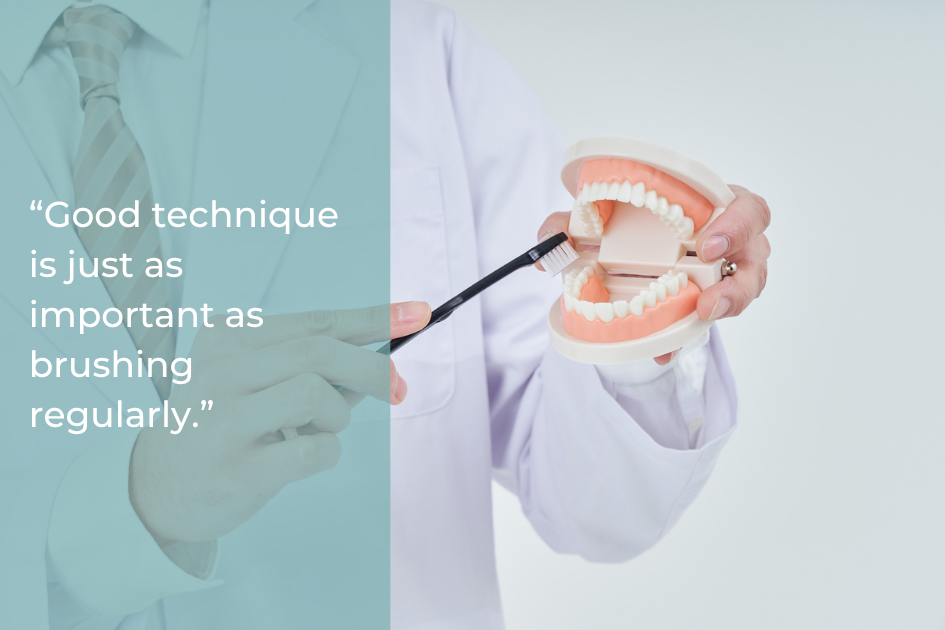
While it’s easy to think brushing is just a routine chore, developing better brushing habits is essential for maintaining a healthy smile. We need to remember that good technique is just as important as brushing regularly. To improve, let’s focus on using a soft-bristled toothbrush and fluoride toothpaste, brushing for at least two minutes, and ensuring we reach all tooth surfaces. It’s also vital to replace our toothbrush every three to four months. Let’s take a moment to evaluate our current habits and make improvements where needed. If you have questions about your oral hygiene routine or are due for a cleaning and exam, the team at Austin Dental Works in Austin, TX is here to help you achieve and maintain a healthy, confident smile.